
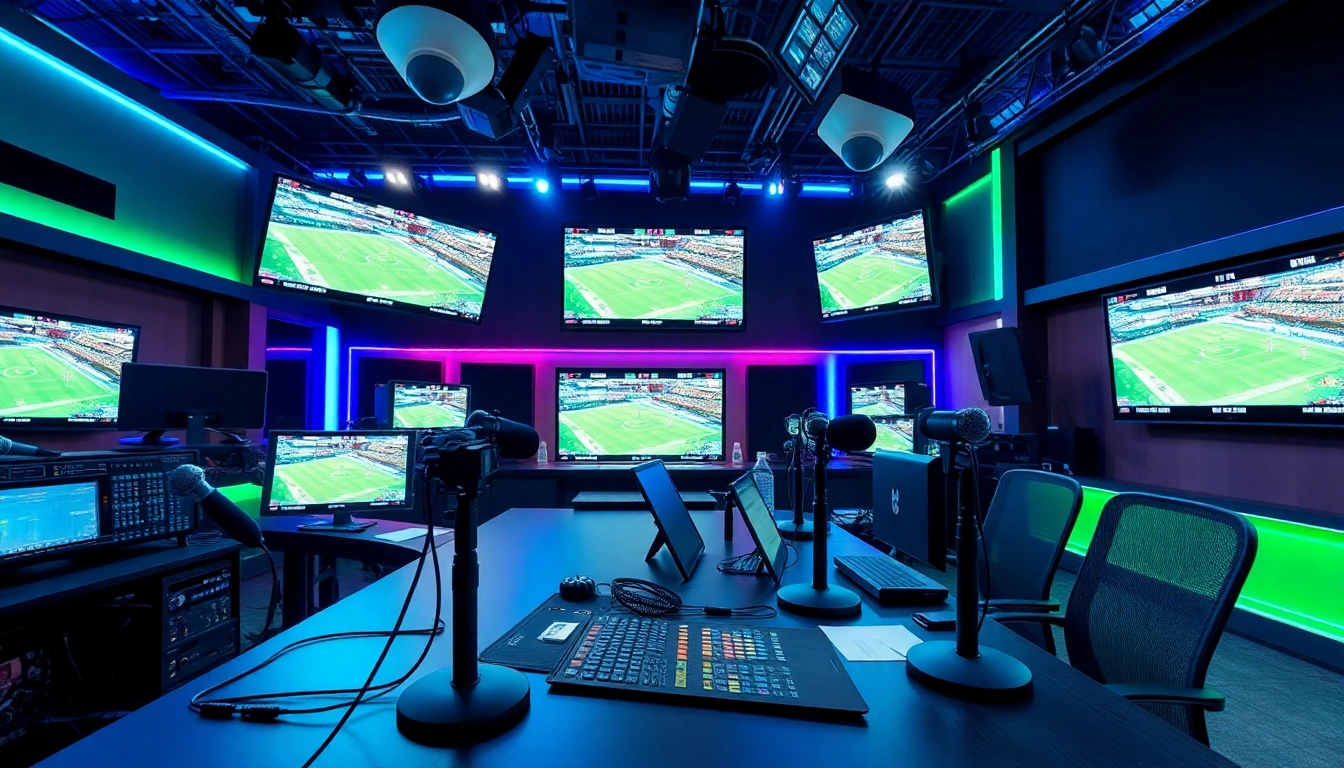
Understanding the Basics of Sports Broadcasting
What is Sports Broadcasting?
Sports broadcasting is a medium through which sports events are transmitted to audiences through various channels, allowing fans to engage with their favorite sports from the comfort of their homes or while on the go. This branch of broadcasting encompasses a variety of platforms, including television, radio, and online streaming. The primary objective is to deliver live coverage, analysis, and commentary on sporting events, ensuring that viewers can experience the excitement of the game as if they were present in the stadium.Sports Broadcasting plays a crucial role in distributing sports content, making it accessible to diverse audiences worldwide.
History and Evolution of Sports Broadcasting
Sports broadcasting dates back to the early 20th century, with the first live radio broadcasts of sports events emerging in the 1920s. The iconic match between the University of California and UCLA in 1921 marked one of the earliest instances of a sporting event being aired on radio. As technology progressed, television began to dominate the landscape of sports coverage in the 1950s, revolutionizing how fans followed their teams and players. The advent of cable and satellite TV expanded reach, leading to specialized sports channels dedicated to round-the-clock coverage of sports.
In recent years, digital transformation has brought about a new era in sports broadcasting. Streaming services and social media platforms now provide real-time coverage and highlights, allowing fans to interact and engage with content like never before. This evolution reflects not only advancements in technology but also changing consumer preferences and viewing habits.
Key Components of Sports Broadcasting
At the heart of sports broadcasting are several key components that ensure comprehensive coverage and viewer engagement:
- Live Commentary: The role of commentators and analysts is vital in enhancing the viewing experience by providing insights, context, and excitement during live events.
- Production Elements: High-quality graphics, slow-motion replays, and instant highlights add to the richness of the coverage, making the viewing experience more immersive.
- Audience Engagement: Engaging the audience through social media, polls, and interactive features keeps viewers connected and involved before, during, and after events.
- Advertising and Sponsorship: Financial backing from advertisers and sponsors plays a crucial role in funding sports broadcasting, providing economic incentives for networks to deliver high-quality content.
Types of Sports Broadcasting Platforms
Television Broadcasting
Television remains a cornerstone of sports broadcasting, providing extensive coverage of events across local, national, and international platforms. Major networks invest heavily in acquiring broadcasting rights for popular sports leagues, allowing millions of viewers to tune in for live games. The combination of high-definition video quality, expert commentary, and informative graphics makes television an engaging viewing medium.
Additionally, television networks have started to embrace innovative broadcasting, incorporating augmented reality and interactive features to enhance viewer experiences. Live broadcasts are often accompanied by in-depth pre- and post-game shows, analysis, and exclusive interviews that further enrich audience engagement.
Digital Streaming Services
As the digital landscape continues to evolve, streaming services have emerged as a formidable player in sports broadcasting. Platforms such as ESPN+, DAZN, and various league-specific apps offer viewers the flexibility to watch live sports on-demand, with many providing exclusive content and features. The shift towards streaming reflects changing demographics where younger audiences prefer mobile and online experiences over traditional viewing methods.
These platforms often include multi-camera options, behind-the-scenes footage, and interactive features that allow fans to personalize their viewing experience. Subscription models, pay-per-view options, and ad-supported streams cater to diverse audience needs, enabling fans to enjoy sports in ways that align with their preferences.
Radio Broadcasting
Despite the rise of visual mediums, radio broadcasting continues to play a significant role in delivering sports content. For many fans, especially those on the move, radio offers a portable and accessible way to follow their teams. Sports radio stations provide live commentary, call-in shows, and expert interviews, allowing fans to stay engaged with their favorite sports.
With the integration of internet streaming, radio broadcasting has expanded its reach, enabling listeners to access live coverage from anywhere in the world. Podcasts and on-demand programs enhance the format, allowing fans to consume content at their convenience.
Challenges in Sports Broadcasting
Managing Live Events and Coverage
One of the primary challenges in sports broadcasting is the logistical management of live events. Coordinating camera crews, sound technicians, and on-air personalities requires meticulous planning and execution. Unforeseen circumstances, such as weather disruptions or technical failures, can jeopardize live coverage and impact viewer experience.
To mitigate these risks, broadcasters invest in backup systems and contingency plans that enable them to adapt quickly to changing scenarios. Regular training sessions for production teams also ensure they are well-prepared to handle unexpected challenges during live broadcasts.
Regulatory Issues and Compliance
Sports broadcasters must navigate a complex landscape of regulations and legal considerations. Issues surrounding broadcasting rights, copyright, and compliance with advertising guidelines are critical areas where broadcasters must tread carefully. Non-compliance can lead to serious legal repercussions, hefty fines, and loss of viewership.
To stay compliant, broadcasters must stay informed about changes in broadcasting laws and ensure their practices align with industry standards. Establishing a dedicated legal team or consulting with legal experts can help broadcasters navigate the intricacies of regulation.
Competition Among Broadcasters
The sports broadcasting industry is fiercely competitive, with numerous networks vying for exclusive broadcasting rights and audience share. This competition can drive up the cost of acquiring broadcasting rights, which can, in turn, affect subscription prices for viewers.
In order to stay ahead, broadcasters must innovate continuously and find unique ways to deliver content that resonates with audiences. Strategic partnerships, original programming, and advanced analytics to understand viewer preferences can offer distinct advantages in a crowded market.
Best Practices for Effective Sports Broadcasting
Enhancing Audience Engagement
Audience engagement is a vital aspect of sports broadcasting. Creating interactive experiences allows viewers to feel part of the event, fostering a stronger connection to teams and players. Broadcasters can utilize social media platforms to run polls, conduct Q&A sessions, and encourage fan-generated content.
Another effective method is integrating gamification, such as fantasy sports leagues and prediction games, that allows audiences to participate actively while watching broadcasts. This engagement not only enhances viewer enjoyment but also increases the likelihood of repeat viewership.
Utilizing Technology in Broadcasting
Technological advancements have transformed the landscape of sports broadcasting, opening doors for enhanced production quality and viewer engagement. From using drones for aerial footage to incorporating virtual reality experiences for fans at home, technology continues to push the boundaries of what is possible in sports coverage.
Broadcasters should invest in cutting-edge technology to improve graphics quality, audio clarity, and overall production aesthetics. Additionally, embracing data analytics can help broadcasters tailor content according to viewer preferences, ensuring a more personalized experience.
Developing a Unique Brand Identity
In a competitive landscape, developing a unique brand identity is essential for broadcasters to differentiate themselves. Offering distinctive programming, expert analysis, and a consistent tone can establish a broadcaster's reputation and audience loyalty.
Engaging in community outreach, partnering with local sports initiatives, and nurturing relationships with athletes can also enhance brand visibility. By aligning their values with those of their audience, broadcasters can forge strong connections that foster loyalty and repeat viewership.
Future Trends in Sports Broadcasting
Impact of Social Media on Broadcasting
Social media channels have dramatically influenced sports broadcasting, creating new forms of interaction and engagement for fans. Platforms such as Twitter and Instagram enable real-time commentary, fan reactions, and highlight sharing, effectively amplifying traditional broadcasts.
Moreover, live streaming on social media has become an essential tool for reaching younger audiences. Integrating social media experiences into broadcasts can enhance fan engagement, providing a holistic viewing experience that resonates with today’s viewers.
Advancements in Broadcasting Technology
The future of sports broadcasting will likely be shaped by continuous advancements in technology. Innovations such as 5G networks are set to revolutionize streaming quality, allowing for higher resolution and low-latency broadcasts. Augmented and virtual reality technology promise to offer immersive experiences, allowing fans to feel as though they are part of the action.
Additionally, artificial intelligence (AI) is beginning to play a role in content creation and broadcast analysis. Automated sports highlights and data visualization can help enhance storytelling and keep viewers engaged with real-time statistics and insights.
Emerging Viewership Patterns
As consumer preferences continue to shift, broadcasters must be attuned to emerging viewership patterns. The increasing popularity of mobile viewing, binge-watching, and on-demand content has necessitated changes in programming strategies. Understanding demographics and audience behavior will enable broadcasters to tailor their offerings to meet changing viewer expectations.
Additionally, the rise in e-sports and alternative sporting events is shaping the future of viewership. Broadcasters who innovate and expand their content offerings to include new forms of sport will be better positioned to attract diverse audiences.
Frequently Asked Questions
What is the primary medium for sports broadcasting?
The primary mediums for sports broadcasting include television, digital streaming services, and radio, each offering unique advantages for audience engagement.
How has technology changed sports broadcasting?
Technology has enhanced sports broadcasting through high-definition visuals, interactive features, and data analytics, making viewer experiences more immersive and personalized.
What are the biggest challenges faced in sports broadcasting?
Key challenges include managing live event logistics, regulatory compliance, and fierce competition among broadcasters for viewership and content rights.
How can engagement be increased among viewers?
Engagement can be increased through interactive social media experiences, gamification, and providing personalized content tailored to viewer preferences.
What trends are shaping the future of sports broadcasting?
Important trends include the impact of social media, technological advancements like 5G and AI, and changing viewer patterns influenced by mobile and on-demand content.