Understanding Corporate Security: A Key Element for Local Businesses
In an ever-evolving landscape of threats, corporate security has become an essential component for businesses of all sizes, especially for those operating in bustling urban environments like London. Whether you're a small retail shop or a large corporation, ensuring the safety of your employees, assets, and customers is paramount. This comprehensive guide offers insights into corporate security, explores its importance for local businesses, and outlines the essential elements of effective security systems. When exploring options, Corporate Security companies provide comprehensive insights to safeguard your business from potential risks.
What is Corporate Security?
Corporate security encompasses a wide range of practices designed to protect an organization’s personnel, property, and assets from harm. It involves identifying, mitigating, and managing risks that could disrupt business operations and threaten safety. Security professionals typically utilize a mixture of physical security measures—such as personnel, technologies, and policies—to create a safe environment. This includes securing premises against unauthorized access, conducting background checks on employees, managing surveillance systems, and implementing emergency response plans.
The Importance of Corporate Security for Local Businesses
For local businesses, corporate security is not just a regulatory compliance issue but a critical strategy to build customer trust and brand reputation. With rising crime rates and security breaches affecting more enterprises every year, investing in robust security measures can safeguard operations, assets, and, most importantly, clientele. It fosters a safe and secure environment that protects not only the employees but also enhances customer confidence, especially for businesses serving the public directly, such as restaurants, hotels, and retail establishments.
Key Components of Effective Corporate Security Systems
Effective corporate security systems integrate a variety of components that work together to mitigate risks:
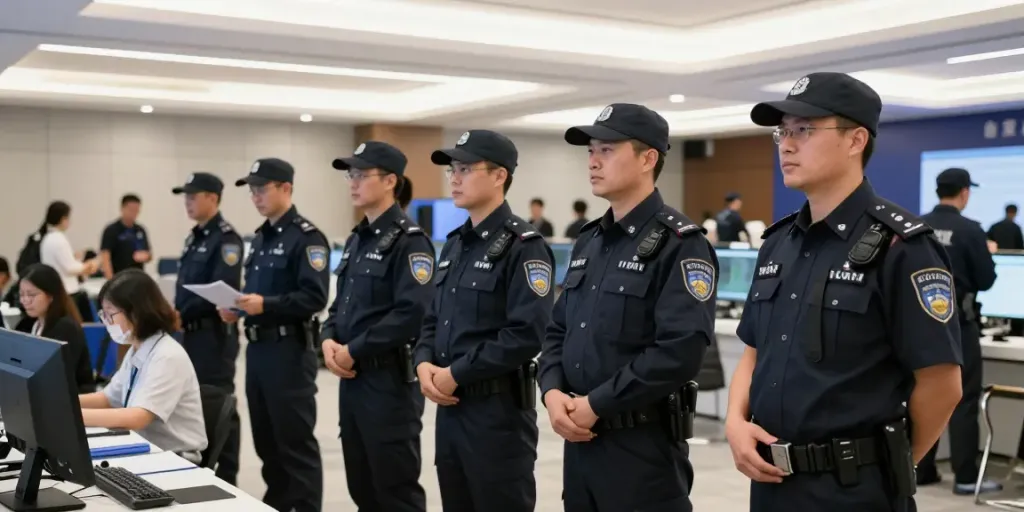
- Physical Security: Includes access controls, surveillance cameras, and patrolling security personnel, ensuring a visible security presence that deters potential threats.
- Cybersecurity: Protects sensitive data and digital assets from cyber-attacks through firewalls, encryption, and constant monitoring of network security.
- Risk Assessments: Regular assessments to identify vulnerabilities and threats, allowing businesses to develop tailored solutions that address specific needs.
- Employee Training: Continuous education and training programs for staff to recognize and respond effectively to security risks.
- Emergency Response Planning: Comprehensive plans that outline procedures during various emergency scenarios to ensure everyone knows their role in preserving safety.
How to Choose the Right Corporate Security Provider in London
Selecting a corporate security provider in London can be a daunting task due to the sheer number of firms available. However, certain criteria can help you make the right decision, ensuring you partner with a reputable company that aligns with your specific business needs.
Evaluating Accreditations and Licensing
One of the essential factors to consider when choosing a corporate security provider is their accreditation and licensing. In the UK, the Security Industry Authority (SIA) regulates private security companies. Ensure your chosen provider holds the necessary licenses and is accredited by recognized industry bodies, such as the NSI (National Security Inspectorate). These certifications affirm that the company adheres to high standards of service and compliance with industry regulations.
Assessing Experience and Reputation
Experience is a powerful indicator of a provider’s capability. Investigate the prospective company’s history, including the types of clients they have served and their experience in your industry sector. Look for case studies or testimonials to gauge how they handle various security challenges. Furthermore, a strong reputation will often reflect the effectiveness of their security measures and their commitment to client satisfaction.
Customer Reviews: Trust Signals for Security Services
Recent customer reviews can offer invaluable insights into a company’s performance and service quality. Check for feedback across various platforms, including Google, Yelp, or industry-specific sites. Positive reviews indicating reliability, professionalism, and responsiveness are essential indicators of a trustworthy security provider.
Pricing Guide: What to Expect from Corporate Security Services
Understanding the pricing structure for corporate security services can help you allocate your budget effectively while ensuring you receive quality protection. Pricing can vary significantly based on services provided, and getting a detailed estimate before services commence is crucial.
Average Costs for Corporate Security Solutions in London
The cost of hiring security companies in London generally ranges between £12 to £20 per hour for basic security guard services, with rates increasing for specialized services like event security and close protection. Factors influencing these costs include the level of risk associated with your premises, the specific services required, and the provider’s reputation.
Factors Influencing Corporate Security Pricing
Several factors can affect the pricing of corporate security services:
- Service Complexity: More complex security requirements typically incur higher costs due to the need for more extensive planning and personnel training.
- Duration of Service: Long-term contracts may result in lower hourly rates compared to short-term or ad hoc services.
- Location: Geographically challenging areas or regions with higher crime rates may demand increased security measures, thus raising costs.
- Equipment and Technology: The integration of advanced surveillance systems and technology might add to the overall service cost.
Understanding Service Level Agreements (SLA)
A Service Level Agreement (SLA) is a contract that outlines the expected service provisions, quality standards, and response times from a security provider. It is key to ensure alignment between your security needs and what the provider is willing to deliver. Delving deep into an SLA can help set clear expectations and minimize disputes down the line.
Compliance and Regulations: Ensuring Peace of Mind
Compliance with regulations surrounding corporate security is imperative for lawful operation and sustainability in the security service sector. Understanding the legal landscape ensures your business is protected and avoids penalties.
Licensing Requirements for Security Providers in London
In London, security service providers must obtain proper licenses from the SIA to operate legally. This process includes background checks for individuals delivering security services, ensuring they meet required competency standards.
Regulatory Compliance in Corporate Security Practices
Regulatory compliance also extends to data protection laws, such as the General Data Protection Regulation (GDPR). Businesses must ensure that any security practices related to data handling adhere to these laws to protect both the company and its customers.
Adapting to Industry Standards and Guidelines
Adhering to industry standards such as ISO 9001 can enhance the credibility of your company. Compliance with these standards indicates a commitment to exceptional quality and service that align with global best practices, helping to build trust among clients.
Community Engagement and Corporate Responsibility in Security
Corporate security isn't just about protecting assets; it's about enhancing community safety and fostering responsible corporate citizenship. Businesses play a pivotal role in contributing to the overall safety of their neighborhoods.
How Corporate Security Contributes to Local Community Safety
By investing in security services, businesses contribute to local crime reduction efforts. Effective corporate security measures can foster a safer environment for residents and customers, thereby boosting community cohesion and overall quality of life.
Building Trust Through Community Involvement
Engagement in community affairs not only increases security but also builds a positive public image for the business. Companies that participate in local security initiatives or collaborate with local law enforcement create a stronger link with the community, instilling trust and support.
Corporate Security's Role in Local Crime Prevention
Security providers often engage in activities that directly address local crime trends. For more information, Corporate Security offers valuable insights. By providing assessments and tailored responses to crime, businesses can become valuable partners in crime prevention. This proactive approach showcases a firm commitment to not only protecting their operations but also enhancing community welfare.